Food waste recycling is being rolled out to more than 23,000 additional homes across Cambridge City and South Cambridgeshire from next week (13 October).
The households, stretching across the city and district villages, bring the total number of homes receiving the service to more than 90,000.
Since its launch, the service has collected more than 2,300 tonnes of food waste which is being used to generate power and create biofertilizer. Most of the electricity generated is fed into the National Grid to be used by households, with the remainder used to power the Anaerobic Digestion plant which processes the waste.
The food waste collected so far from residents is enough to boil three million kettles.
The latest expansion means nearly two-thirds of homes served by the Greater Cambridge Shared Waste Service will receive the weekly food waste collection service.
Cllr Rosy Moore, Cabinet Member for Climate Action and Environment at Cambridge City Council, said: "It's been fantastic to see residents embracing the new food waste service. The more food waste we can recycle, the more we can cut carbon emissions and turn waste into a valuable resource. The sale of energy and fertiliser products from this process offset the costs of processing, making it the most cost-effective option for household food waste."
Lead Cabinet Member for the Environment at South Cambridgeshire District Council, Cllr Laurence Damary-Homan, said: “Food waste recycling is one of the simplest and most effective things we can all do for the environment. All those leftover scraps soon add up and can be turned into renewable energy and fertiliser rather than going into landfill."
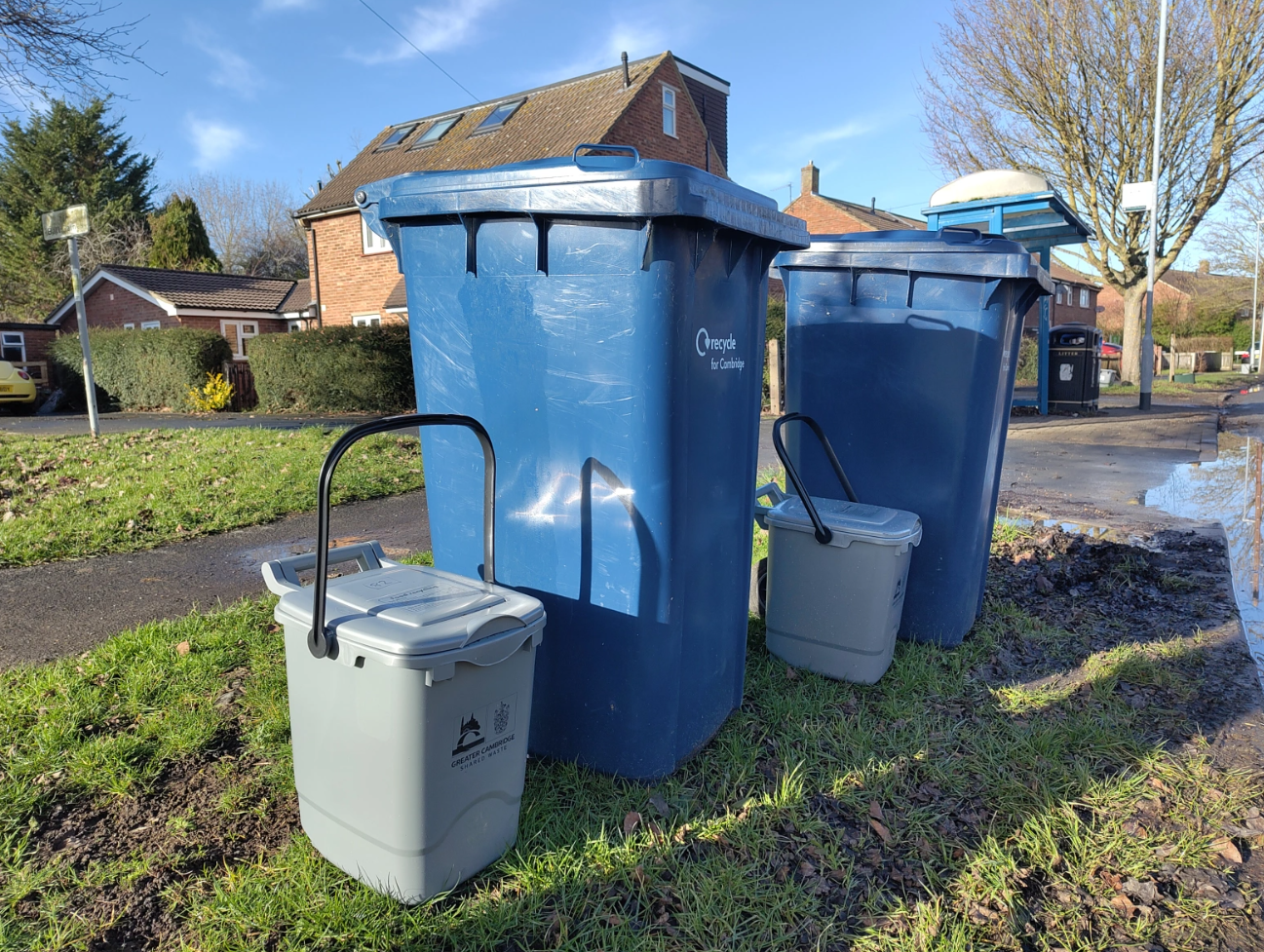
Food waste collections support the Government’s Simpler Recycling legislation which makes weekly collection of household food waste mandatory for all local authorities. GCSWS began deliveries of new silver pest-proof caddies in January 2026.
The collected food waste is taken to Anaerobic Digestion (AD) plants at Baldock, March and Thetford, where the biogas given off by the decomposing food is captured and used to generate power. When fully broken down the food becomes biofertilizer which can be spread on farmland. This process both reduces demand for oil and gas through providing a renewable alternative fuel while also reducing impact on the climate crisis by preventing the release of landfill gases including methane into the atmosphere.
- If your street already has food waste collections, the waste service would like to hear your feedback. Find out more or fill in the feedback survey at www.greatercambridgewaste.org/foodwaste
- All households in Greater Cambridge are due to have weekly food waste collections by the end of 2026.