A version of this article by Cllr Katie Thornburrow, Leader of Cambridge City Council, was first published in Cambridge Independent on 29 July 2026.
We are reaching a critical stage in agreeing the Greater Cambridge Local Plan, one of those big things in the life of a councillor that many people aren’t aware of, even though it can have an enormous impact on their lives.
The plan covers Cambridge and South Cambridgeshire and shows which areas will be used for housing, offices and factories, shops and green space over the next 20 years. It will be used by both councils as the local planning authorities to help guide decisions on whether to approve planning applications, and tells everyone where development is welcomed and where it is restricted, for example in conservation areas and green belts.
As well as the spatial plan, showing what goes where, the plan also sets out policies for how to deliver developments like new housing estates, shopping centres, or science parks. This helps ensure that vital community facilities and public services are included, so economic growth doesn’t come at the cost of people’s happiness.
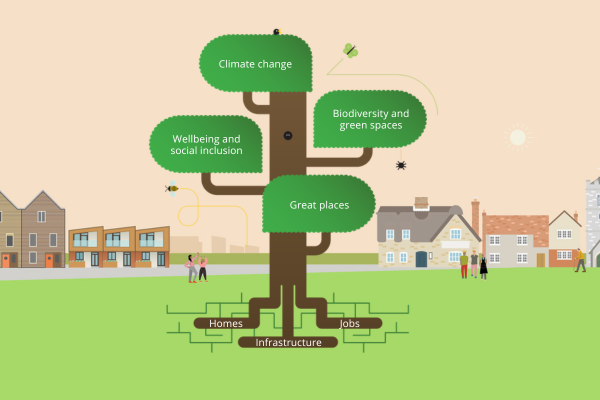
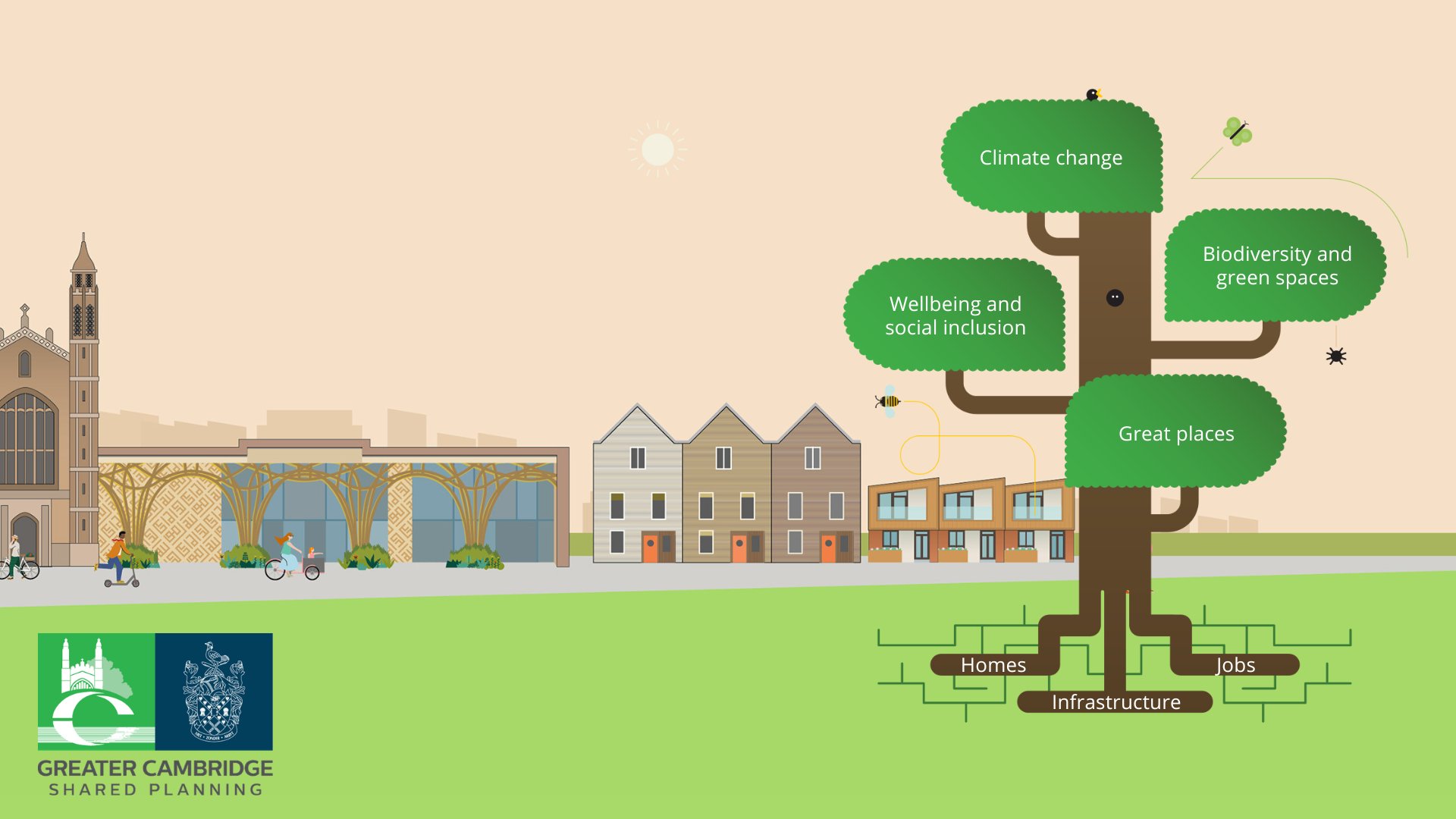
Within the new plan we are emphasising measures that will make Greater Cambridge a great place to live. We want to reduce our negative impact on the environment and increase the quality of everyday life for all our communities.
That means reducing carbon emissions and reliance on private cars, helping to create thriving neighbourhoods with a range of jobs and homes and all the facilities people need, like good transport links. And we want to create more green spaces.
And we’re trying to do this while supporting our massively important innovation economy and the creation of good, well-paid jobs at all levels, not just for the executives of big companies.
Cambridge has an existing Local Plan, but it was started in 2011 and agreed in 2018 and the world has changed a lot since then, so we have been updating and reviewing every aspect for this new joint plan.
We have been working over the last five years to encourage everyone who lives, studies or works in the region to have their say as the plan has been developed. Most recently, we held a major public consultation in December and January and got over 8,000 responses. We are about to launch the final consultation, on the ‘Proposed Submission’ version of the Local Plan.
This final stage of consultation isn’t about the sites chosen for development or the big policy issues but asks a practical question: is our plan ‘sound’ and deliverable? In legal planning terms, being sound means that our plan is realistic, built on a solid evidence base, and capable of passing the strict tests set by government planning inspectors. For us, this is also a way of making sure that it gets the balance right for everyone across Greater Cambridge.
Once those comments have been processed and taken into account, the plan will go to the government to be checked and, we hope, approved. And then it will guide how the city and surrounding South Cambridgeshire develop until 2045 – so you can appreciate why it matters.
What I am personally most proud of in this draft is our clear focus on wellbeing and social inclusion. In the past, policies about public health and community wellbeing were scattered across different council documents. Now, we have brought them together in one place.
We have worked closely with experts in public health and education to ensure that every new development genuinely supports the physical and mental health of the people who live there.
That means that if a developer wants to build a new housing estate or commercial space, they cannot just put up buildings. Depending on the scale of the project, they will have to plan for safe play spaces for local children, community facilities, high standards for energy and water efficiency, and a varied mix of housing types including affordable homes, council housing, and co-housing. They will also need to show how their design integrates active travel and public transport, helping us reduce our reliance on cars.
Now is the time to get involved and let us know where we’re getting it wrong - and right, of course. We have extended the public consultation period from the usual six weeks to eight weeks to ensure everyone has time to contribute over the summer. The consultation launched on 3 August and runs until 25 September and is open to individual residents and local community groups alike.
Once the consultation closes, the shared planning service will analyse all the responses before we submit the final draft to the Planning Inspector in late December. From the moment it is submitted, the plan starts to carry weight in planning decisions, and once fully adopted it will replace the 2018 plan for Cambridge.
Our previous local plan took seven long years to be approved because the underlying evidence was challenged. We have learned from that experience, and the councils have built a far more robust evidence base so we can move forward with confidence.
A collection of planning policies might sound dry at first glance, but it directly affects how we live our day-to-day lives. It dictates whether our children have safe spaces to play, whether our homes are warm and affordable, and whether our neighbourhoods remain green and pleasant. By putting health, fairness, and the environment at the heart of the new plan, we want to ensure that future economic growth truly benefits everyone in Cambridge.